
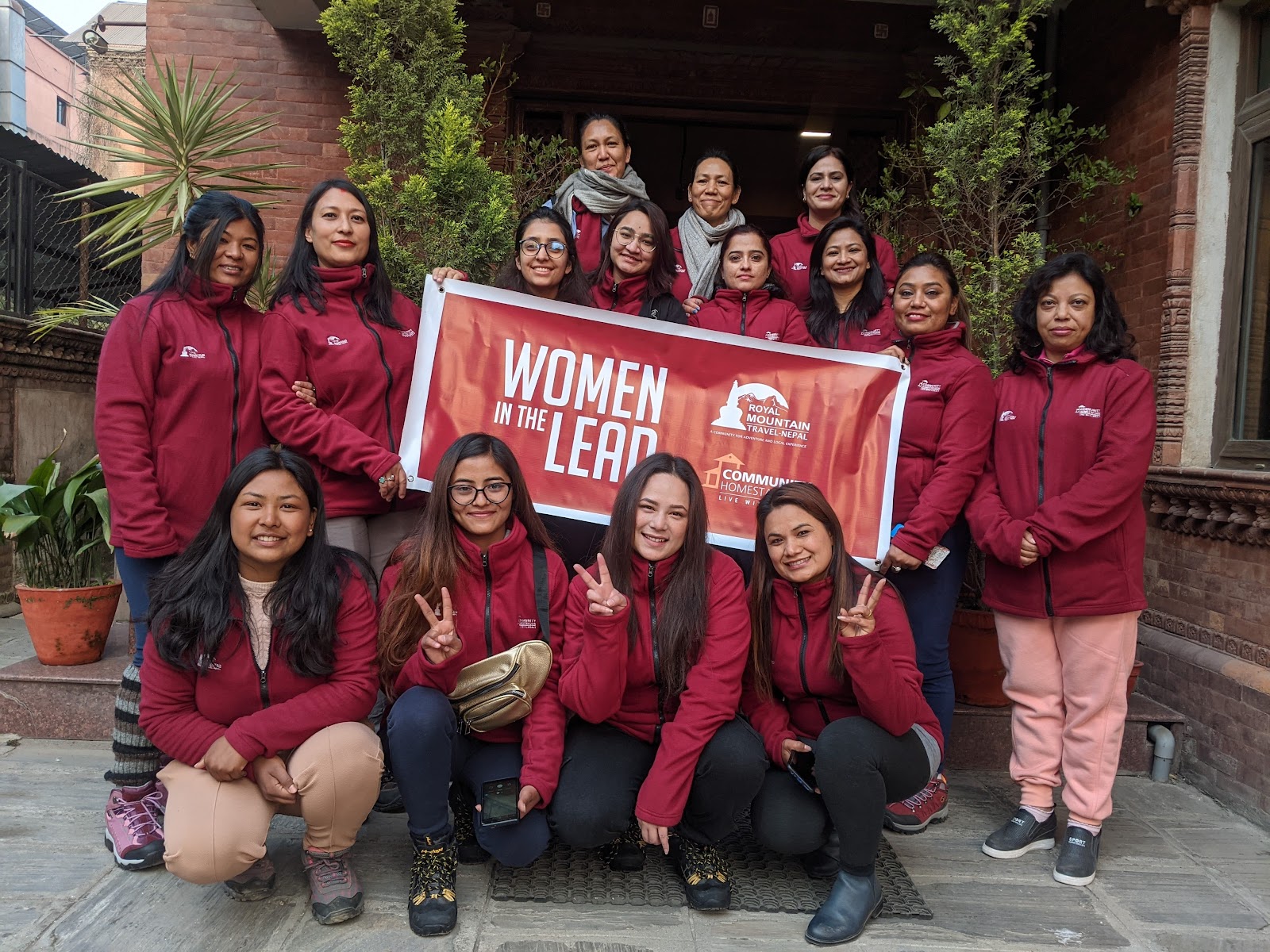
Women empowerment is a long way to go in Nepal. However, companies like Royal Mountain Group are taking leaps that may seem small, but go miles for the women who work there. Women in the Lead is one of the social ventures coming out of the Group and is led by the women who work there. Women in the Lead hosts various events to raise awareness about women empowerment.
Active member of Women in the Lead Ms. Sabita Khadka, who is also the Marketing and Travel Consultant shares her thoughts on the women’s empowerment and gaps in the tourism industry and how the Women in the Lead initiative is helping reduce those gaps.

Could you share how Women in the Lead started?
Women in the Lead is one of the positive outcomes that came during the COVID-19 pandemic. Our Tour Leader at Royal Mountain Travel (RMT) Ms Shruti Shrestha was planning a trip on her own with her friends and was giving an open call for her friends who are interested to trek post lockdown. This was a way out for her after having to stay locked in the house, overwhelmed with the household work. Usually she is a person who is active in the fields meeting new people from around the world every now and then. So she had felt the need to go outside of the house and explore when the lockdown was easing slowly.
Since she is associated with RMT, we wanted to reach a wider audience and like her there must be many people who were looking to come out of the house and have their own time and explore outside of the family, safely. The reason we wanted this platform to be for women is that us women usually do not tend to travel solo or without someone from our friends or family. But when a company like Royal Mountain Travel was bringing such initiation, the trust factor was already there.
After some discussion we decided to turn our trek idea into a membership program where we will encourage the women of the country to come together and travel. Keeping International Women’s day in mind, we created a trek event and started promoting our initiative as Women in the Lead. We wanted to provide a hassle free, safe environment and sustainable travel experience.

How has it helped women?
This has given a platform for women to travel without relying on friends and family and to travel with someone they have never met before in a safe environment.
We have had a couple of home-makers joining our first trip who had second thoughts on leaving their kids and going out of house a week. But given an option to have personal time for themselves, they joined in and made the most of it.
The process of traveling is often seen as a male domain, and that is why some women are afraid to travel alone. On the other hand, they are often the ones who decide where they want to go, if they have a partner or not. They may also need to take care of their children during their vacations. The fear of travelling alone is one of the most common barriers for women in terms of travel. These include a fear of stepping outside their comfort zones, a lack of confidence or a fear of being judged.
How can workplaces help remove those barriers?
Workplaces can share opportunities like Women in the Lead programs to their staff. They can encourage women to take risks but also help them feel safe to work. They may also provide facilities such as gender-based needs like menstruation or period management supplies.

How can companies help empower women?
Companies can provide a strong support system and gender-balanced policies which can help women tackle the social norms that limit them even outside their office. They can create an atmosphere for equal opportunities of growth. Similarly, gender balanced teams and meetings can be encouraged.
Do you have any suggestions for women who want to travel but are afraid?
We are determined to give an opportunity and encourage females to step outside of their comfort zone and travel with someone who you have never met before, don’t know their story, don’t know from what different background they come from. At first, this might not sound like a good idea, but trust us this will be a lifetime experience and friendship. Your safety is in our hands and we make sure that is our number one priority.
You get to go different places, meet new people and create memories, not only with the ones you are traveling with but also with the locals you will meet during the trips. We will be embarking on this journey to travel to different places setting inspirations to others like us.
_____
Written by Richa Neupane, Impact and Sustainability Manager at the Royal Mountain Group in conversation with Sabita Khadka, Women in the Lead organizer and Marketing and Travel Consultant at Royal Mountain Travel.
Greetings! Very useful advice in this particular article!
It’s the little changes that make the biggest changes.
Many thanks for sharing!
I really like the daily challenge feature, it makes the game more fun!
There are many genres that you have played, but you might have overlooked one. Let’s test it out right away!
Great post! five nights at freddy’s
Your blog post really sparked my curiosity! I had never known that this topic could be this vast and informative. As we are working on capricorn and aquarius, we want some information and your suggestion on this topic. For a brief detail what we are into, please visit out website. We will be waiting for your new blog and your feedback for us.
Thank you for sharing such valuable insights! I’ve been looking for information on this topic for ages, and your post is exactly what I needed. As I am fresher and looking for some guidance on virgo and cancer compatibility, I have none other than you in my mind for some information and suggestions. Have a look at our website and share your feedback and tips with us. Waiting for your blogs!
Your blog post really sparked my curiosity! I had never known that this topic could be this vast and informative. As we are working on pisces compatibility, we want some information and your suggestion on this topic. For a brief detail what we are into, please visit out website. We will be waiting for your new blog and your feedback for us.
Thank you for sharing such valuable insights! I’ve been looking for information on this topic for ages, and your post is exactly what I needed. As I am fresher and looking for some guidance on what’s an amethyst, I have none other than you in my mind for some information and suggestions. Have a look at our website and share your feedback and tips with us. Waiting for your blogs!
Such a beautiful way to describe two different things at a time. I never considered that this topic could be so deep until reading yours! I want to draw attention that we are also seeking your guidance on dark blue agate as we work on it. If you have any information or suggestions about the topic, please send us your feedback. We are eagerly waiting for your further blog.
I agree. I’ve seen the struggles Nepalese women face. We need more awareness and policies to speed up this empowerment journey.
Drift Boss possesses a simple beauty, from lovely graphics to easy-to-grasp gameplay. but don’t let that appearance fool you, to master it, you need more than luck.
I’ve run into login bugs on other platforms, but Reddy Anna Book Club Login just works. It doesn’t overcomplicate the process or try to be clever it just does what it’s supposed to.
This is inspiring! It’s so important to create safe and supportive spaces for women to explore and challenge themselves. Hearing about Shruti Shrestha’s initiative and Royal Mountain Group’s backing is really encouraging. Sometimes, when I’m feeling cooped up and need a mental break, I find myself playing games like Snow Rider 3D – a silly distraction, but it helps! It’s great to see initiatives like Women in the Lead addressing the real-world need for accessible and empowering travel opportunities for women in Nepal.
This is inspiring! It’s so important to create safe and supportive spaces for women to explore and challenge themselves. Hearing about Shruti Shrestha’s initiative and Royal Mountain Group’s backing is really encouraging. Sometimes, when I’m feeling cooped up and need a mental break, I find myself playing games like Snow Rider 3D – a silly distraction, but it helps! It’s great to see initiatives like Women in the Lead addressing the real-world need for accessible and empowering travel opportunities for women in Nepal.
Reading about the Women in the Lead initiative really resonated with me. Traveling solo has always seemed daunting, especially without a trusted support system. This program shows how creating safe spaces for women to travel together not only builds confidence but also fosters independence. I admire how it helps homemakers and working women break free from societal expectations and fear. It reminds me that empowerment can start with small steps, like a shared journey. For some light entertainment after your trek or travel, I highly recommend checking out Sprunki – it’s a great way to unwind and have fun.
Reading about the Women in the Lead initiative really resonated with me. Traveling solo has always seemed daunting, especially without a trusted support system. This program shows how creating safe spaces for women to travel together not only builds confidence but also fosters independence. I admire how it helps homemakers and working women break free from societal expectations and fear. It reminds me that empowerment can start with small steps, like a shared journey. For some light entertainment after your trek or travel, I highly recommend checking out Sprunki – it’s a great way to unwind and have fun.
I really appreciate this wonderful post that you have provided for us. I feel strongly that love and read more on this topic. I have spent a lot of my spare time reading your content. Thank you a lot.
You’ve done a great job writing this blog. It’s impressive how you present ideas so smoothly while keeping the content fresh and interesting. As someone who was recently researching types of opals, I found your tone relatable and trustworthy. Keep up the fantastic blogging work.
This is fantastic! It’s so encouraging to see companies like Royal Mountain Group actively working towards women’s empowerment in Nepal. The “Women in the Lead” initiative sounds incredibly impactful. It reminds me of how seemingly small actions can create massive change. I wonder if they’ve considered transportation solutions to help women access opportunities? Maybe something fun, like an Eggy Car scheme for local commutes, would make a difference. It would be so interesting to hear Ms. Khadka’s insights on the tourism industry and the specific challenges women face within it.
This is fantastic! Women in the Lead is a crucial initiative. Shruti Shrestha’s story is inspiring and highlights the need for safe, empowering travel opportunities for women. Perhaps the group could organize winter trips too, maybe even a Snow rider themed adventure? Such opportunities would expand the reach of their vital work.
This sounds like such an important initiative! I’m really interested to learn more about how Women in the Lead is reaching those underserved communities.
Great sharing. The “Women in the Lead” initiative by Royal Mountain Travel encourages women to explore travel safely and confidently, especially those who might not travel solo otherwise. It began as a post-COVID idea to help women bond and trek together, creating a supportive community and reducing barriers like fear and reliance on family. An assignment helper is a professional who assists students with academic tasks by guiding research, structuring content, and improving writing quality. An assignment helper at Myassignmenthelp.services assists students in managing academic tasks across various subjects and levels. It helps learners understand complex topics, organise research material, and structure assignments according to university guidelines. With support in essays, reports, case studies, and research-based projects, students can improve clarity, critical thinking, and academic writing skills. The service focuses on delivering well-researched content, proper referencing, and plagiarism-free work.
Regarding the shipping methods for heavy dolls—given their significant weight and bulk—many TPE and silicone best sex dolls are typically shipped via the following channels: air freight, international express services, freight forwarding partners, and local warehousing and distribution networks.
Nowadays, with the rapid expansion of the realistic sex doll market, some sellers have established regional warehouses specifically to accelerate delivery speeds.
Nowadays, with the rapid expansion of the realistic sex doll market, some sellers have established regional warehouses specifically to accelerate delivery speeds.
Regarding the shipping methods for heavy dolls—given their significant weight and bulk—many TPE and silicone best sex dolls are typically shipped via the following channels: air freight, international express services, freight forwarding partners, and local warehousing and distribution networks.
These developments blur the line between object and companion, making silicone sex dolls more appealing not only as physical substitutes but also as quasi-social partners.
My impression of BeYourLover is that it’s built for simplicity and ease of use.
Pros: Straightforward experience
Cons: Lacks in-depth product details
My website:https://www.beyourlover.co.jp/
The Women in the Lead initiative is a smart model – turning a gap in the industry into a professional pathway. Having women-led trek groups is exactly what solo female travelers need when navigating unfamiliar terrain.
The Women in the Lead initiative is exactly the kind of community-driven approach that creates lasting change. Turning a personal trek idea into a membership program for women to travel safely together is inspiring. Thanks for sharing this story.
This is a great initiative! It’s so important to support women in travel and empower them.
Finally, a puzzle game guide site that isn’t cluttered with annoying pop-ups! I love the clean visual layout of Flower Forest Wiki. The step-by-step solutions for levels 1-20 are incredibly readable and straightforward.
This is truly inspiring! It’s fantastic to see Royal Mountain Group, through initiatives like “Women in the Lead,” actively addressing the gaps and empowering women in Nepal’s tourism industry. Ms. Shrestha’s story, born out of the pandemic’s challenges, really highlights the importance of such ventures. I look forward to hearing more about how this program continues to grow and make a positive impact, perhaps with tools like a BA II Plus Financial Calculator helping with their planning. Keep up the great work!
This is an inspiring read! It’s wonderful to see initiatives like “Women in the Lead” emerging, especially from the challenges of the pandemic, to address the unique travel needs of women and promote empowerment. Ms. Khadka’s insights on closing tourism gaps are so valuable. It truly shows how powerful women-led efforts can be. This kind of work is essential, and it reminds me of how creative solutions can arise, much like making engaging content with Text To Cartoon Video. Looking forward to hearing more about their journey!
Women often face different barriers when planning and experiencing travel, including safety concerns, financial Geometry Dash limitations, lack of representation, and unequal access to travel resources.
It’s interesting how the pandemic lockdowns pushed so many of us to rethink our routines, but turning that restlessness into a structured, women-led trekking initiative sounds like a particularly productive outcome. I was especially struck by the point about homemakers having second thoughts about leaving their kids for a week—that kind of social pressure to always be available is real, and having a trusted company handle the logistics probably makes a world of difference.
It’s so inspiring to see the “Women in the Lead” initiative taking shape, especially born out of the necessity and reflection during the pandemic. Ms. Khadka’s point about the tourism industry’s gaps for women really resonated with me. It’s not just about creating opportunities, but about empowering women with the confidence and support to *take* those opportunities, like Ms. Shrestha’s initial idea for a trekking trip.
This reminds me a bit of how we approach our daily puzzles at EveryClue. While it’s a different context, there’s a similar satisfaction in piecing together information and solving a challenge. It’s about building those critical thinking muscles, and I can see how that kind of mental agility would translate directly into navigating and excelling in new professional territories. It makes me wonder what other small, grassroots initiatives are out there helping women build that confidence in their own communities.
It’s fascinating to hear how the “Women in the Lead” initiative actually stemmed from a personal need during the pandemic, as described by Ms. Sabita Khadka. The idea of a group of women, particularly tour leaders, wanting to break out from household duties and connect with the world again resonates deeply. It highlights how personal experiences can spark significant social change. It makes me wonder about the specific types of travel experiences this initiative is curating to meet those “underserved women’s travel needs.” I’ve explored how travel can be a powerful tool for empowerment on my own blog, lily lovebraids, and it’s inspiring to see organizations actively addressing these gaps.
It’s inspiring to see initiatives like “Women in the Lead” emerging, especially from a place where women’s empowerment still has a long journey ahead. I was particularly struck by how the initiative grew out of a personal need for exploration and connection, as described by Ms. Sabita Khadka. The idea that a travel consultant, Ms. Shruti Shrestha, felt the urge to organize a trek for herself and friends during lockdown highlights the inherent human desire for adventure and community, which can be even more pronounced for women juggling domestic responsibilities. This resonates with me, as I’ve often found that planning and embarking on trips, even small ones, can be incredibly liberating. I wrote about a similar approach to encouraging exploration and breaking down barriers in my own niche on MW4 Hub, and it’s encouraging to see this spirit applied to women’s travel empowerment.
It’s really inspiring to read about the “Women in the Lead” initiative and how it’s addressing the specific needs of women in the travel industry, especially in a region like Nepal. Ms. Khadka’s point about the pandemic easing lockdown restrictions and highlighting the need for women to have outlets beyond household work resonates deeply. It makes me think about how travel can be such a powerful tool for personal growth and breaking down societal barriers. I wrote about a similar approach to empowering individuals through curated experiences on Pokopia Crystals and found that focusing on unique, accessible journeys can make a huge difference. This initiative sounds like it’s doing just that for women in Nepal.
This is such a fantastic initiative! I love reading about how the Women in the Lead program started organically from Ms. Shrestha’s own need to get out and explore after lockdown, and how it grew into something so impactful. It really highlights how personal experiences can spark broader social change. It also got me thinking about how creative outlets can be a powerful tool for empowerment, too. Sometimes just having a space to express yourself and de-stress can make a huge difference in feeling more in control. I recently came across this site that lets you create your own coloring pages from photos, which feels like a fun, accessible way for anyone to tap into that creative side.
It’s really inspiring to hear about initiatives like “Women in the Lead” that are actively addressing the gaps in the tourism industry for women. Sabita Khadka’s perspective highlights how something as simple as a post-lockdown trek organized by a colleague can blossom into a movement for empowerment. The idea of women taking the lead in creating travel experiences tailored to other women’s needs is fantastic. I’ve always felt that understanding and catering to specific demographics can unlock so much potential, whether in travel or other sectors. It reminds me a bit of how we’re seeing AI transform industries by offering specialized solutions, like how VirtualStagingAI provides tailored virtual staging for real estate. It’s all about recognizing and serving unique needs.
It’s really inspiring to hear about initiatives like “Women in the Lead” emerging from the challenges of the pandemic. Ms. Sabita Khadka’s insights about the gaps in the tourism industry for women in Nepal are particularly striking. The idea of a tour leader organizing a trip for friends as a personal outlet, which then blossoms into a broader initiative, feels very organic and relatable. It highlights how individual needs can spark significant community change. This emphasis on empowering women within the travel sector makes me think about how technology can also support these efforts. For instance, I wrote about a similar approach on VirtualStagingAI and found that making resources more accessible can be a powerful form of empowerment. It’s great to see tangible steps being taken in Nepal.
It’s really inspiring to see initiatives like “Women in the Lead” emerge, especially from unexpected times like the pandemic. The idea of Ms. Shrestha feeling the need to “go outside of the house and explore” after being cooped up with household chores really resonated – that desire for a break and a change of scenery is so universal. It makes me think about how travel, even a short excursion, can be such a powerful tool for personal well-being and empowerment. It’s like needing a refresh, whether it’s for yourself or for your car! Sometimes you just need a professional to come to you and handle the details so you can focus on the bigger picture. I was just reading about how convenient mobile detailing services are these days, with specialists who can come to your home or office. You can even get multiple quotes quickly at neardetailer.com. Kind of like how this initiative is simplifying travel planning for women.
It’s inspiring to see initiatives like “Women in the Lead” emerging, especially from the challenges of the pandemic. Ms. Khadka’s point about Shruti Shrestha needing an outlet from household work and lockdown stress really resonated with me. It highlights how travel, even a personal trip, can be a powerful tool for well-being and empowerment, not just an economic activity. I’ve found that understanding one’s own motivations and strengths, much like what you might explore with a sbti personality test, can really inform how we approach personal growth and seeking opportunities. The idea that a personal trip plan evolved into a formal initiative is a wonderful testament to identifying a need and acting on it.
It’s inspiring to read about initiatives like “Women in the Lead” that are actively addressing the gaps in the tourism industry for women in Nepal. Ms. Khadka’s point about the pandemic highlighting the need for women to have outlets beyond household work resonates deeply. It makes me wonder how many women feel that same urge for independence and exploration, especially after periods of confinement. I found a similar perspective on sbti personality test that complements this well, emphasizing how identifying personal strengths can empower individuals to seek out fulfilling opportunities. The idea of women-led ventures creating their own space and awareness is a powerful model for empowerment.
It’s really inspiring to see initiatives like “Women in the Lead” emerging, especially from a situation as challenging as the pandemic. The idea of women creating their own travel opportunities and support networks out of necessity, like Ms. Shrestha did, is powerful. It definitely highlights how personal needs can spark broader social change. I’m curious, have they seen a significant increase in women participating in these trips since the initiative started? It makes me think about how communities can build their own pathways to empowerment.
It’s really inspiring to see initiatives like “Women in the Lead” emerging, especially from challenges like the pandemic. Shruthi Shrestha’s personal need to get out and explore after being cooped up with household work totally resonates – you can feel that desire for agency and a break from the norm. It makes me think about how important it is for everyone, regardless of gender, to have those avenues for personal growth and reconnection with the world.
This reminds me a bit of how I approach planning my own explorations in games, like mapping out routes and understanding the best ways to tackle quests. If anyone else enjoys that methodical, leading-the-way aspect of discovery, you might find kcd2quest.com interesting for planning in Kingdom Come: Deliverance II.
What other ways do you think travel or dedicated initiatives can empower women who might feel their opportunities are limited?
I appreciated learning how Women in the Lead grew from a post-lockdown trek idea into a membership program.
It’s encouraging to see women-led travel helping close gaps in Nepal’s tourism industry.
Sabita Khadka’s perspective made the initiative feel practical and meaningful.
It’s inspiring to hear about initiatives like “Women in the Lead” actively addressing the gaps in the tourism industry for women in Nepal. Ms. Sabita Khadka’s insights are particularly valuable, highlighting how even seemingly small ventures can have a significant impact. The origin story of the initiative, stemming from Ms. Shruti Shrestha’s personal need for an escape from domesticity during lockdown, resonates deeply. It underscores how personal experiences can spark crucial social change. I found a similar perspective on how personal agency drives community development on lily lovebraids that complements this well. It makes me wonder about other, less visible challenges women face in this sector and how they are being tackled.
It’s inspiring to hear about initiatives like “Women in the Lead” that are actively addressing the gaps in the tourism industry for women, especially in regions where empowerment is still a significant journey. Sabita Khadka’s perspective highlights the very real need for women to find outlets and experiences beyond domestic responsibilities, a sentiment many can relate to, even outside of a pandemic context. The idea of a tour leader initiating a trip for friends during lockdown as a personal need for exploration is a powerful starting point. It makes me wonder how many other grassroots efforts like this are out there, perhaps with similar goals to those found on lily lovebraids, focusing on encouraging participation and breaking down barriers. This article really emphasizes how crucial these tailored travel opportunities are for women’s personal growth and confidence.
It’s inspiring to read about initiatives like “Women in the Lead” actively addressing the specific needs of women in travel, especially in a region where empowerment is still a journey. Ms. Sabita Khadka’s insights highlight how crucial it is to create spaces where women can reconnect with their own aspirations, like Ms. Shruti Shrestha’s desire to step out after lockdown. This resonates with me because sometimes the most impactful personal breakthroughs come from simply finding a way to reclaim a sense of agency. I’ve found a similar perspective on Wordleos that complements this well, focusing on how engaging with challenges, even daily ones, can build confidence and a desire for more. It’s great to see companies fostering that kind of growth.
It’s really inspiring to hear about initiatives like “Women in the Lead” emerging, especially from a challenging period like the pandemic. The idea of tour leaders, like Ms. Shruti Shrestha, identifying a personal need for connection and exploration and then channeling that into a program to help other women seems incredibly organic and powerful. Sabita Khadka’s insights on the gaps in the tourism industry are also very crucial; it’s easy to overlook how much more support and opportunity women might need to fully participate and lead in this sector. I’ve been exploring different platforms for creative expression, and I found a similar proactive spirit in how myink ai helps users visualize their ideas. It’s about empowering individuals to take the reins, which resonates strongly with the mission of Women in the Lead.
It’s inspiring to see initiatives like “Women in the Lead” directly addressing the gaps in the tourism industry for women, especially stemming from a personal need like Ms. Shruti Shrestha’s desire to escape lockdown and household work. The idea that a personal venture during a challenging time could blossom into a movement for empowerment is really powerful. I found a similar perspective on how grassroots movements can create significant change on OrbitDash, and it made me think about how crucial these individual sparks are. It’s a great reminder that sometimes the most effective solutions arise organically from the very people experiencing the problem.
It’s inspiring to see initiatives like “Women in the Lead” emerging from the challenges of the pandemic, particularly focusing on empowering women in the tourism sector. Ms. Sabita Khadka’s insights into the gaps within the industry and how this program is addressing them are really valuable. The story of Ms. Shruti Shrestha’s personal need for an escape from household duties leading to the initiative’s genesis highlights how individual experiences can spark significant change. It makes me wonder about other similar movements; I found a related perspective on fostering female leadership in niche industries on Wizard Alchemy Hub that complements this well. This kind of grassroots effort is so crucial for broader societal progress.
It’s inspiring to read about initiatives like “Women in the Lead” addressing the specific needs of women travelers, especially in regions where empowerment is still a significant challenge. Ms. Sabita Khadka’s perspective on bridging gaps in the tourism industry really resonated with me. It highlights how crucial it is to have women leading these efforts, making the experiences more authentic and accessible. I found a similar perspective on AI Yard Planner that complements this well, focusing on how user-driven design can cater to diverse needs. The origin story of “Women in the Lead,” stemming from a personal need for exploration and community during lockdown, is particularly powerful. It shows how individual experiences can spark broader social change.
It’s inspiring to read about initiatives like “Women in the Lead” actively addressing gaps in the tourism industry, especially in regions where women’s empowerment is still a significant journey. Ms. Sabita Khadka’s insights highlight how crucial these ventures are for women seeking opportunities and a voice. The origin story, stemming from a personal need for outdoor exploration post-lockdown, really resonates. It makes me wonder how many other personal needs could spark broader social change. It also got me thinking about how planning and design can empower individuals, not just in travel but in other areas of life too. I found a similar perspective on how technology can aid in personal planning on AI Yard Planner, which seems to complement this idea of taking the lead in one’s own endeavors.
It’s so encouraging to read about initiatives like “Women in the Lead” that are actively addressing gaps in the tourism industry, particularly in places like Nepal. Sabita Khadka’s perspective highlights how crucial it is to create spaces for women to step out of domestic roles and explore their professional passions. The origin story, born out of a need for personal escape during lockdown, really resonates; it underscores that these opportunities are often driven by genuine human needs and desires. I recently came across a similar sentiment about empowering individuals through creative outlets on roomflip.pro, and it struck me how interconnected these efforts are. It makes you wonder what other innovative solutions are waiting to emerge from unexpected situations.
It’s inspiring to hear about initiatives like “Women in the Lead” actively addressing gaps in the tourism industry, especially when driven by the women within the companies themselves. Sabita Khadka’s insights about the pandemic prompting such a venture really resonated with me; that feeling of needing an outlet and connection after being confined, particularly for those who normally engage so much with the outside world. It highlights how personal experiences can spark significant social change. I found a similar perspective on the importance of centering community voices in empowering initiatives on Before You Ink that complements this well. It’s a great reminder that genuine empowerment often stems from within and builds outward.
When you’re Sideline Girl in Thailand focused in online chats, treat ambiguity with caution. “Sideline” language can sometimes be used to test boundaries, so set expectations quickly and keep things transparent. Don’t follow requests for secrecy, sudden money talks, or off-platform moves that happen too fast. If someone pushes for rushed escalation, insists on unusual terms, or refuses basic normal verification, step back and move on.
It’s inspiring to read about initiatives like “Women in the Lead” proactively addressing gaps in the tourism industry, especially coming
It’s inspiring to see initiatives like “Women in the Lead” emerging, especially from a place where women’s empowerment still has a long way to go, as you mentioned for Nepal. Sabita Khadka’s insights into the gaps in the tourism industry and how the initiative is actively addressing them are particularly valuable. The origin story, stemming from a personal need for an escape during lockdown and evolving into a structured program, feels very organic. It highlights how addressing individual needs can often blossom into broader community support. I’ve seen similar grassroots movements gain traction by focusing on creating safe spaces and opportunities, and I found a similar perspective on InkBolt that complements this well when thinking about empowering creative communities. It’s a powerful reminder that even during challenging times, positive change can take root.
It’s really inspiring to read about the “Women in the Lead” initiative and how it’s actively addressing gaps in the tourism industry in Nepal, especially highlighting Ms. Sabita Khadka’s perspective. The origin story, stemming from a personal need for connection and exploration during the pandemic, feels very relatable. It underscores how personal experiences can spark significant social change. This initiative reminds me of how even in complex games, optimizing processes can make a huge difference; I recently found a useful tool for planning those complex sequences, like a Minecraft enchantment Calculator, which helps avoid costly mistakes. It’s great to see a focus on empowering women through practical opportunities and raising awareness.
It’s inspiring to read about initiatives like “Women in the Lead” directly addressing the gaps in the tourism industry for women in Nepal. Sabita Khadka’s insight into how even small steps can make a significant difference resonates strongly, especially when you consider how much planning goes into travel. I can imagine the feeling of being overwhelmed during lockdown and seeking that external exploration, much like planning a complex project. It makes me think about how important it is to have resources that simplify planning, so you can focus on the experience itself. I recently found a similar perspective on Minecraft enchantment Calculator that complements this well, by helping players optimize their in-game processes. It’s a reminder that empowering people often involves providing them with the right tools and support systems, whether for business or for personal growth.
It’s inspiring to hear about initiatives like “Women in the Lead” that are actively addressing gaps in the tourism industry, especially for women in Nepal. Ms. Sabita Khadka’s perspective highlights how crucial it is to create safe and empowering spaces, particularly when restarting activities after a period like the pandemic. I found a similar perspective on how to support women in roles that require professional documentation, like international travel. It makes me wonder about the practical aspects of enabling more women to take on leadership roles in travel. What are the biggest hurdles they still face day-to-day, beyond the initial awareness-raising?
It’s inspiring to hear about initiatives like “Women in the Lead” directly addressing the needs of underserved women in travel, especially within Nepal’s context. Sabita Khadka’s perspective on the gaps in the tourism industry for women is particularly insightful. It makes sense that the pandemic, while challenging, also spurred creative solutions like this venture, born from a personal need for a break and connection. The idea of women supporting each other to explore and reclaim their space is powerful. This reminds me of how technology can also empower individuals in different ways; for instance, I’ve seen how platforms like HeadshotAI can help people present themselves professionally online with minimal effort, which can be a confidence booster in any field. It’s great to see tangible efforts being made to empower women through travel and community.
The initiative’s origin during the pandemic, stemming from a personal need for exploration and connection, is really compelling. It highlights how even during times of immense challenge, opportunities for positive change and community building can emerge. I found a similar perspective on how grassroots movements can foster significant empowerment, even when resources are limited, on MorseTranslator that complements this well. Ms. Khadka’s point about the gaps in the tourism industry for women is also crucial; it’s not just about opportunities, but about addressing systemic issues that might hold women back from fully participating. It makes me wonder what specific training or support structures are in place to help women navigate those existing gaps.
It’s inspiring to read about initiatives like “Women in the Lead” specifically addressing the gaps in the tourism industry for women in Nepal. Ms. Sabita Khadka’s perspective highlights how even seemingly small steps, like organizing treks post-lockdown for personal well-being, can evolve into powerful empowerment movements. It really makes you think about how much potential is unlocked when women are given the opportunity to step outside their usual roles and explore. I found a similar perspective on Crossy Road Online that complements this well, focusing on how overcoming initial challenges can lead to greater rewards and a sense of accomplishment, much like the women involved in this program. The idea that this started from a personal need for an escape and evolved into a broader initiative is particularly compelling.
It’s inspiring to read about initiatives like “Women in the Lead” actively addressing gaps in the tourism industry, especially in regions where women’s empowerment is still a significant journey. Ms. Sabita Khadka’s perspective highlights how even seemingly small steps, like organizing treks for women to reclaim their independence after lockdowns, can have a profound impact. It makes me think about how important it is for these kinds of programs to not only exist but also be driven by the women they aim to serve. I found a similar perspective on Blox Fruits Trading that complements this well, focusing on community-driven solutions. It’s a great reminder that empowering women through travel fosters confidence and opens up new possibilities.
It’s inspiring to read about initiatives like “Women in the Lead” directly addressing the challenges faced by women in the travel industry, especially in regions like Nepal. Sabita Khadka’s perspective on the gaps in tourism and how this program is actively working to close them through awareness and empowerment is particularly insightful. The origin story, stemming from a personal need for exploration and connection during lockdown, highlights how individual experiences can spark significant community-focused efforts. It makes me think about how many other positive movements could arise if we focus on empowering women to pursue their passions outside the home. I found a similar perspective on Blox Fruits Trading that complements this well, emphasizing how community support can drive individual growth.
I was particularly interested to read about how the Women in the Lead initiative grew out of a personal need for Ms. Shruti Shrestha to escape the confines of household work during lockdown. It really highlights how personal experiences can spark significant social change. The idea of women leading these efforts, as mentioned with Ms. Sabita Khadka sharing her insights, feels crucial for genuine empowerment. It’s inspiring to see companies actively trying to address the gaps in the tourism industry for women, a sector that often presents unique challenges. I found a similar perspective on how grassroots movements can be incredibly effective when developing initiatives like this, and it complements the article’s message well.
It’s really inspiring to see how initiatives like “Women in the Lead” are actively addressing gaps in the tourism industry, especially in places like Nepal. I love that it stemmed from a personal need for an escape and exploration, like Ms. Shrestha’s idea for a post-lockdown trek. It makes you think about how sometimes the most impactful solutions come from recognizing a fundamental human desire, like the need to get out and experience the world, and then building support around it. It’s a reminder that empowering women often starts with creating opportunities for them to lead their own journeys, both literally and figuratively.
This actually reminds me a bit of how I’ve found creative outlets to be really helpful for de-stressing and finding new perspectives, much like travel. If anyone’s looking for a way to unwind and express themselves visually, I recently discovered this site that lets you create your own printable coloring pages from photos – it’s surprisingly therapeutic!
It’s really inspiring to hear about initiatives like “Women in the Lead” emerging, especially from a place like Nepal where women’s empowerment still has a long road ahead. I was particularly struck by how the initiative actually started as a personal need for Ms. Shruti Shrestha during lockdown – the desire to get out, explore, and connect after being overwhelmed by household work. It highlights how personal experiences can often spark impactful social change. It makes me wonder about other gaps in the travel industry that might be addressed by similar grassroots efforts; I found a similar perspective on OrbitDash CC that complements this well. The idea of empowering women through travel, not just as tourists but as leaders and consultants within the industry itself, feels incredibly important.
This is such a fantastic initiative! I was really struck by how the “Women in the Lead” program grew out of a personal need for connection and escape during lockdown, as Ms. Khadka described. It’s a powerful reminder that sometimes the most impactful social ventures stem from acknowledging a very human desire – in this case, for exploration and a break from the everyday. It makes me think about how travel, even on a smaller scale, can be a form of self-care and empowerment, especially when traditional roles might limit opportunities.
It’s inspiring to see how Royal Mountain Group is actively working to close those gaps in the tourism industry. It actually reminds me a bit of how different communities create online spaces for shared interests, like how I came across this site for Halloween casual games – it’s a way for people to connect and find a bit of fun and escape, tailored to a specific mood. Anyway, really appreciate you sharing this story about “Women in the Lead”!
It’s inspiring to read about initiatives like “Women in the Lead” that are actively addressing the gaps in the tourism industry for women. Ms. Sabita Khadka’s perspective highlights how crucial these programs are, especially in Nepal where women’s empowerment is still a journey. I found her point about the pandemic easing lockdown restrictions as a catalyst for Ms. Shrestha’s idea particularly interesting; it shows how personal needs can spark broader social change. It reminds me of how even in other areas, like gardening, understanding specific needs leads to better resources – I found a similar perspective on GrowAGardenInfo that complements this well. I’d be curious to learn more about the specific types of travel needs “Women in the Lead” is catering to for these underserved women.
It’s inspiring to see initiatives like “Women in the Lead” addressing the specific needs and gaps for women in the tourism sector, especially in regions where female empowerment still has a long ascent. Sabita Khadka’s point about the initiative being a positive outcome of the pandemic really resonated with me; it highlighted how even difficult times can spark innovation and lead to meaningful change. I found a similar perspective on how to foster community and address challenges within underserved groups on GrowAGardenInfo that complements this well. It makes you wonder what other positive social ventures might emerge from unexpected circumstances.
It’s inspiring to see initiatives like “Women in the Lead” emerge from the challenges of the pandemic. The article highlights how a personal need for exploration and escape, as described by Ms. Sabita Khadka, can blossom into a broader movement for women’s empowerment within the tourism industry. This resonates with me because sometimes the most impactful social changes are sparked by individual experiences. It makes me wonder about the ripple effect, not just for the women directly involved, but for the perceptions of travel and adventure that are fostered. I found a similar perspective on the importance of individual agency in driving change on Soft Money Arcade that complements this well. It’s a great reminder that even seemingly small ventures can have a significant impact.
It’s inspiring to read about initiatives like “Women in the Lead” actively addressing the gaps in Nepal’s tourism industry. Ms. Sabita Khadka’s perspective on how the initiative is empowering women, particularly by offering opportunities beyond household duties, resonates deeply. The origin story, stemming from Ms. Shruti Shrestha’s personal need for an escape and exploration post-lockdown, highlights how individual desires can spark broader social change. It makes me wonder about other similar grassroots efforts I’ve seen, like those focusing on encouraging new word games, where individual enjoyment leads to community building. This article really drives home the point that empowering women in travel isn’t just about economic benefits, but also about personal freedom and fulfillment.
It’s inspiring to hear about initiatives like “Women in the Lead” actively addressing the gaps in the tourism industry for women in Nepal. Ms. Sabita Khadka’s point about how the pandemic, while isolating, also spurred this initiative by highlighting the need for women to step outside their domestic roles is particularly insightful. It’s easy to overlook the compounded domestic burdens many women face, and how opportunities for professional engagement and personal exploration can be transformative. I found a similar perspective on how structured programs can empower women in traditionally male-dominated fields on AI Interior Lab, which complements this well. It really emphasizes the importance of creating these dedicated spaces and opportunities.
It’s inspiring to read about initiatives like “Women in the Lead” that are actively addressing the specific needs and challenges faced by women in the travel industry, especially in regions where empowerment is still a developing concept. Sabita Khadka’s perspective highlights the crucial role of such programs, originating from real needs experienced during the pandemic. The idea of a tour leader initiating a trip for friends as a response to lockdown fatigue and household burdens really resonates. It’s a powerful reminder that sometimes the most impactful solutions come from personal experience and a desire for connection and exploration, much like how I discovered some helpful resources for navigating game updates and codes, such as the information found at Abyss Roblox Codes. It seems “Women in the Lead” is doing fantastic work in empowering women through travel and creating tangible opportunities.
It’s inspiring to read about initiatives like “Women in the Lead” that are actively addressing the specific needs of women in the travel industry, especially in regions where empowerment is still a significant journey. Sabita Khadka’s perspective on the gaps in tourism is particularly insightful; it’s easy to overlook how much structured support can make a difference for women who might otherwise hesitate to pursue travel or career opportunities. The origin story, born out of the pandemic’s restrictions and a desire for exploration, really highlights the human element behind these ventures. It makes me wonder about other similar efforts globally. I found a similar perspective on RedoInk that complements this well, focusing on how visualizing future possibilities can empower individuals to take those first steps.
It’s inspiring to read about initiatives like “Women in the Lead” actively addressing the gaps in the tourism industry for women in Nepal. Ms. Sabita Khadka’s perspective on how the initiative started, born out of a personal need for exploration and connection during lockdown, really resonates. It highlights how individual experiences can spark broader social change. This reminds me a bit of how finding engaging ways to connect with others online can be important too; I recently discovered some fun Halloween Puzzle Games that offered a similar sense of community and shared activity during a quiet period. It’s fantastic that Royal Mountain Group is supporting these efforts to empower women and create more inclusive opportunities.
It’s really inspiring to read about initiatives like “Women in the Lead” and how they’re directly addressing gaps in the tourism industry for women in Nepal. Ms. Khadka’s perspective on the pandemic’s role in sparking this movement, particularly the desire for exploration and escape from domestic burdens, resonates deeply. It highlights how personal needs can often be the catalyst for broader social change. I found a similar perspective on how grassroots movements can create significant impact on BestCryptoByAI, and it strikes me how often these empowering shifts begin with individual experiences and a desire for connection and agency. It’s a powerful reminder that even in challenging times, opportunities for growth and empowerment can emerge.
It’s inspiring to read about initiatives like “Women in the Lead” that are actively addressing the empowerment of women within Nepal’s tourism sector. Ms. Sabita Khadka’s insights highlight the very real need for programs that bridge the gaps in the industry, especially for women. The origin story, stemming from Ms. Shruti Shrestha’s personal need for an escape from domestic overload during the pandemic and her desire to connect with others, really resonates. It speaks to how personal needs can organically grow into impactful community projects. I found a similar perspective on supporting women in underserved markets on BestCryptoByAI that complements this well, emphasizing how crucial these grassroots efforts are for broader economic inclusion. It makes you wonder what other hidden needs could be met by empowering women to lead their own ventures.
It’s inspiring to read about initiatives like “Women in the Lead” that are actively addressing the gaps in the tourism industry for women in Nepal. Ms. Sabita Khadka’s perspective highlights how crucial these programs are, especially when originating from within the community itself. The origin story, born out of a desire for personal exploration and connection during the pandemic, really resonates. It shows how personal needs can blossom into something that empowers others. This kind of grassroots approach to empowerment feels very authentic. It makes me think about how other industries could foster similar internal initiatives; I found a similar perspective on RedoInk that complements this well, focusing on user-driven innovation.
It’s inspiring to see initiatives like “Women in the Lead” emerge, especially from a period as challenging as the pandemic. Ms. Sabita Khadka’s perspective highlights a crucial point: the need for women to have outlets for personal exploration and independence, something travel can powerfully provide. The idea of women organizing trips for themselves, as Ms. Shrestha did, really resonates with me. It speaks to a proactive approach to filling gaps in the industry and empowering other women. I found a similar perspective on supporting women in creative fields on RedoInk that complements this well, emphasizing how important it is for women to have spaces where they can lead and thrive. This venture seems to be doing exactly that for women in Nepal’s tourism sector.
It’s really inspiring to read about initiatives like “Women in the Lead” that are actively addressing underserved needs within the travel industry, especially in places like Nepal. I found Sabita Khadka’s perspective on how the pandemic, ironically, spurred the creation of this group quite profound. It highlights how challenges can sometimes lead to unexpected positive outcomes and a renewed focus on personal well-being and connection. It makes me wonder about other similar movements that might have emerged globally from such difficult times. I also found a similar perspective on ShrugMoji that complements this well, discussing how even small, localized efforts can have a significant ripple effect. It’s a great reminder that progress isn’t always about grand gestures.
It’s inspiring to read about initiatives like “Women in the Lead” actively addressing the gaps within the tourism industry for women in Nepal. Sabita Khadka’s perspective highlights how crucial these programs are for empowerment, especially after the isolation many experienced during the pandemic. The origin story of “Women in the Lead,” stemming from a need for personal escape and exploration by Shruti Shrestha, resonates deeply. It shows how personal needs can blossom into impactful community initiatives. This focus on enabling women to lead and explore reminds me of how important accessible platforms are for diverse voices, and I found a similar perspective on SOFTMONEY Games that complements this well. It’s a testament to how much can be achieved when individuals and organizations prioritize female leadership and well-being.
It’s inspiring to hear about initiatives like “Women in the Lead” directly addressing the gaps in the tourism industry for women. Sabita Khadka’s point about the pandemic highlighting the need for women to get out and explore, especially after being overwhelmed with household work, really resonates. It makes me think about how travel, even for leisure, can be incredibly empowering and a form of self-care. I found a similar perspective on how accessible travel opportunities can foster independence on Soft Money Arcade, and it feels like “Women in the Lead” is doing just that by creating a supportive environment for women to take the reins. I’m curious to learn more about the specific types of events they host to raise awareness.
It’s inspiring to see initiatives like “Women in the Lead” emerging, especially within the travel industry which has historically been male-dominated. Ms. Khadka’s point about the pandemic highlighting the need for women to step outside domestic roles and explore resonates deeply. It really underscores how travel can be a powerful tool for personal liberation and well-being. I found a similar perspective on the transformative power of engaging activities on Maze Craze Online, which, while different in nature, also speaks to the mental benefits of challenging oneself and finding an outlet beyond routine. It’s fantastic that Royal Mountain Group is empowering women to lead these efforts.
It’s inspiring to see how initiatives like “Women in the Lead” are addressing the specific needs and challenges faced by women in the tourism sector, especially in regions where empowerment is still developing. Ms. Khadka’s perspective on bridging the gaps within the industry is particularly insightful. It makes me wonder about the broader economic ripple effects when women are given more agency and opportunity in fields like travel and hospitality. I found a similar perspective on Spire ESS that complements this well, focusing on how empowering individuals can create sustainable growth. The origin story, stemming from a personal need during lockdown, highlights the organic and practical roots of such movements.
It’s inspiring to read about initiatives like “Women in the Lead” actively addressing the gaps in Nepal’s tourism industry. Ms. Sabita Khadka’s insights are particularly valuable, highlighting how a personal need for outdoor engagement during lockdown sparked a movement. I was curious about the practical ways these events reduce disparities; it seems like fostering a sense of community and shared experience is a key component. This reminds me of how crucial supportive networks are for professional growth across various sectors. I found a similar perspective on Spire ESS that complements this well, emphasizing how structured support can empower individuals. It’s heartening to see companies like Royal Mountain Group investing in such meaningful social ventures.
The way Ms. Sabita Khadka described the genesis of the “Women in the Lead” initiative, stemming from a personal need for an outlet post-lockdown, really resonated with me. It highlights how, even within a challenging period like the pandemic, women found ways to connect and support each other. It’s inspiring to see how this personal endeavor evolved into a structured initiative addressing broader empowerment goals within the tourism sector. I’ve been exploring similar community-driven projects, and I found a related perspective on Plants vs Brainrots Hub that really complements this focus on grassroots solutions for underserved groups. It makes me wonder what other organic movements might be developing in similar industries.
It’s inspiring to read about the “Women in the Lead” initiative and how it aims to address the specific travel needs of underserved women. Ms. Sabita Khadka’s insights really highlight the practical challenges women face, particularly when balancing work and personal aspirations. The origin story of the initiative, stemming from Ms. Shruti Shrestha’s personal need for an escape and exploration post-lockdown, really resonates. It shows how personal experiences can spark meaningful change. I found a similar perspective on how creative outlets can empower individuals, even in seemingly unrelated fields like ai colorpage, demonstrating the diverse ways women find agency. It makes me wonder what other small, internally driven projects could have a significant impact on women’s empowerment in Nepal.
It’s inspiring to see initiatives like “Women in the Lead” emerge, especially from a crisis like the pandemic. The idea of women creating their own opportunities for exploration and connection, like Ms. Shrestha’s post-lockdown trek idea, really resonates. It highlights how sometimes the most impactful solutions come from addressing a personal need that turns out to be shared by many. I was just reading about how even basic planning and measurement can unlock new possibilities, kind of like how knowing the exact materials needed for a project can make it feel much more achievable. It’s all about breaking down those initial barriers, isn’t it?
It’s really inspiring to read about initiatives like “Women in the Lead” actively addressing gaps in the tourism industry, especially for women. Ms. Sabita Khadka’s insights about the need for women to have outlets beyond household work resonate deeply. The idea that a personal need for exploration during lockdown sparked such a movement highlights how individual experiences can drive significant social change. It makes me wonder how many other valuable initiatives could emerge if more women felt empowered to voice their own needs and initiate projects. I actually found a similar perspective on how small, practical tools can aid in project planning, like a Mulch Calculator, which can help individuals manage their own ventures more effectively. It’s a reminder that starting small can indeed lead to big impacts.
It’s inspiring to hear about initiatives like “Women in the Lead” focusing on empowering women in the travel sector, especially in regions like Nepal where opportunities might be more limited. I found Sabita Khadka’s perspective on bridging gaps in the tourism industry particularly insightful. It makes me think about how often women’s needs and contributions can be overlooked in many fields. The origin story of the initiative, stemming from a personal need for exploration and connection during lockdown, feels very relatable. It highlights how personal frustrations can often be the catalyst for positive, collective action. I found a similar perspective on HairFit that complements this well, emphasizing how targeted support can unlock potential. It’s a great reminder that even seemingly small steps can have a significant ripple effect.
It’s inspiring to read about initiatives like “Women in the Lead” actively addressing the gaps in the tourism industry for women in Nepal. Ms. Sabita Khadka’s insights are particularly valuable, highlighting how the pandemic, while challenging, also spurred creative solutions like this. The origin story, stemming from a personal need for escape and exploration by Ms. Shruti Shrestha, really resonates. It speaks to the fundamental human desire to connect and experience the world, especially when feeling confined. The idea of women leading these efforts feels incredibly empowering, fostering a sense of ownership and community. I found a similar perspective on Before You Ink that discusses how empowering individuals through creative outlets can have widespread positive effects. It makes me wonder what other grassroots movements are quietly making a significant impact in similar ways.
It’s inspiring to see how initiatives like “Women in the Lead” are emerging, especially from moments of personal need, like Ms. Shrestha’s desire for a post-lockdown trek. The article highlights the crucial role of addressing the “gaps in the tourism industry” for women, and it makes me wonder about the specific types of travel needs that are currently underserved. Are we talking about safety concerns, financial accessibility, or perhaps opportunities for skill development within the travel sector itself? I found a similar perspective on addressing niche travel needs on Before You Ink that actually got me thinking about how we can be more intentional with our personal pursuits, and this seems to be a larger, community-level application of that. It’s fantastic that they’re not just talking about empowerment but actively creating leadership roles for the women involved.
The idea of “Women in the Lead” stemming from a personal need for an escape during lockdown really resonated with me. It’s so true how often the most impactful initiatives grow out of those fundamental human desires – in this case, a need for connection and a break from routine. I was particularly drawn to Ms. Khadka’s point about the tourism industry’s gaps for women; it makes you wonder how many other industries have these hidden barriers that, once acknowledged, could unlock so much potential. It reminds me a bit of how creativity can flourish when people find new outlets, like the AI coloring pages I’ve been looking at over at inkpages.pro – sometimes just having a different way to express yourself can open up entirely new possibilities. It’s inspiring to see companies actively working to create those opportunities.
It’s inspiring to read about initiatives like “Women in the Lead” directly addressing the needs of underserved women in travel. Ms. Sabita Khadka’s perspective on the gaps in the tourism industry really resonated with me; it’s so true that women often face unique challenges. I found a similar perspective on how tailored services can make a huge difference in mobile detailing near me, and it struck me that this principle likely applies broadly to many sectors, including travel. It makes me wonder what other specific niche travel needs are currently being overlooked and how more organizations can step up to fill those gaps.
It’s inspiring to read about the “Women in the Lead” initiative and how it’s actively addressing gaps in the tourism industry for women in Nepal. Sabita Khadka’s perspective on the challenges and the initiative’s role in empowerment really resonated, especially the idea that it grew out of a personal need for exploration and connection post-lockdown. It highlights how personal experiences can spark significant social change. I found a similar perspective on how community-driven solutions can be incredibly effective when I was looking for mobile detailing near me – sometimes the most impactful services come from those who understand the local needs intimately. This initiative feels like it’s doing just that for women in travel.
It’s inspiring to read about initiatives like “Women in the Lead” addressing the specific needs of women in travel, especially in regions where empowerment is still a significant challenge. Ms. Sabita Khadka’s perspective is particularly valuable, highlighting how this program is actively working to bridge gaps within the tourism industry. The origin story, stemming from a desire for personal escape during lockdown and evolving into a community initiative, feels very organic and relatable. It makes me think about how many unique communication needs exist in the world; I recently found a similar perspective on how niche communication tools can be empowering on MorseTranslator, which got me thinking about how these kinds of projects build confidence and offer new avenues for connection.
It’s inspiring to read about initiatives like “Women in the Lead” actively addressing gaps in the tourism industry, especially in regions where women’s empowerment is still a significant journey. The origin story of Shruti Shrestha’s desire for an escape from lockdown and household duties resonates deeply; it highlights how personal needs can spark impactful social ventures. I found a similar perspective on OrbitDash that complements this well, emphasizing how finding outlets for personal growth and connection can have broader positive effects. It’s encouraging to see Royal Mountain Group fostering such an environment where employees can lead these important movements.
It’s inspiring to read about initiatives like “Women in the Lead” directly addressing the need for women to have safe and accessible travel experiences, especially in regions where opportunities might be limited. The article highlights how the pandemic, while challenging, also sparked creative solutions, like Ms. Shruti Shrestha’s idea for post-lockdown treks. This really resonates with me; sometimes, the biggest disruptions can lead to the most innovative thinking. I’ve found a similar sentiment discussed in how online platforms can foster community and shared experiences, much like how this initiative aims to build confidence. It makes me wonder about the broader impact this could have on economic independence for these women, beyond just the act of traveling itself.
It’s inspiring to see initiatives like “Women in the Lead” emerge, especially from a situation like the pandemic that forced many into introspection. I appreciated Sabita Khadka’s point about the tourism industry having gaps for women and how this initiative aims to address them. It makes me wonder about the specific types of travel that are most underserved for women – are they more adventure-focused, or perhaps skill-building trips? I found a similar perspective on addressing specific needs in my work with a Concrete Calculator, where tailoring solutions to the user’s project is key. This focus on empowering women to explore and re-engage with the world after lockdown resonates strongly.
It’s inspiring to read about initiatives like “Women in the Lead” actively addressing gaps in the tourism industry for women. Ms. Khadka’s perspective highlights the personal impact these programs can have, especially coming out of a challenging period like the pandemic. The idea of a tour leader initiating such a movement because she felt the need to connect with the outside world again after being confined resonates deeply. It makes me wonder about other practical aspects of travel planning for women, like estimating materials for construction projects, where a tool like a Concrete Calculator can simplify complex tasks, freeing up mental space for other pursuits.
The article covered the topic in a clear and sensible way. I came away with a better understanding of it.
It’s inspiring to read about initiatives like “Women in the Lead” that are actively addressing the specific needs and gaps faced by women in the travel industry, particularly in regions like Nepal. Ms. Sabita Khadka’s perspective highlights how crucial these programs are for empowerment. The origin story, born out of a personal need for escape and exploration during lockdown, is particularly relatable. It underscores how something as simple as a planned trek can spark broader social change. I found a similar perspective on how community-driven initiatives can foster empowerment on Cursor Camp Guide, and it’s heartening to see this model applied so effectively in the travel sector. It really makes you think about the ripple effects of supporting women’s participation and leadership.
It’s inspiring to see initiatives like “Women in the Lead” emerge, especially from grassroots efforts like Ms. Shrestha’s idea for a post-lockdown trek. It really highlights how the need for community and exploration can drive change, even in challenging times. I love how they’re directly addressing gaps in the tourism industry by empowering the women who work there.
This reminds me a bit of how in gaming, sometimes the most fulfilling experiences come from community-driven guides and shared knowledge. For example, I’ve been putting together a resource for Forza Horizon 6 players that aims to do something similar – collecting insights on routes, hidden cars, and settings so everyone can get the most out of exploring the game world. It’s all about making those discoveries easier for everyone involved. What other ways do you think initiatives like this can foster broader community participation?
Sabita Khadka’s perspective on the tourism industry’s gaps for women is really insightful. It’s interesting how the “Women in the Lead” initiative, born out of personal needs during the pandemic lockdown, is now actively addressing these issues. The idea of women empowering themselves through travel and creating their own opportunities resonates strongly. It makes me wonder about other creative ways to support women in leadership roles, perhaps even in fields like music production where I’ve seen some fascinating developments with tools like AI Rap Creator. It’s inspiring to see these grassroots efforts making a tangible difference.
The point about Ms. Sabita Khadka highlighting the “gaps in the tourism industry” for women really resonated with me. It’s easy to overlook how something as seemingly simple as a planned trek by Ms. Shruti Shrestha could blossom into a whole initiative addressing these needs. It makes me think about how often individual frustrations or desires can spark broader change. I found a similar perspective on how creative endeavors can emerge from necessity on AI Rap Creator, where the platform is designed to help users craft their own artistic expressions, much like how “Women in the Lead” emerged from a personal need for exploration and connection. It’s inspiring to see how organizations are actively working to create more inclusive spaces in sectors that have traditionally been male-dominated.
It’s inspiring to read about initiatives like “Women in the Lead” that are actively addressing the gaps in the tourism industry for women. Ms. Sabita Khadka’s perspective really highlights how crucial these efforts are, especially when stemming from within the company itself. The idea that the initiative grew out of a personal need for connection and exploration during lockdown, as described with Ms. Shruti Shrestha’s trekking plans, feels very authentic. It’s a powerful reminder that sometimes the most impactful solutions come from recognizing a direct, unmet need. I found a similar perspective on the importance of community and shared goals in online gaming contexts, which is why I often check Blox Fruits Calculator for community insights. This kind of grassroots approach to empowerment, particularly in a sector often dominated by global players, is truly commendable.
The way Ms. Sabita Khadka describes the genesis of “Women in the Lead” during the pandemic really resonates. It highlights how personal needs and a desire for agency can spark significant social initiatives. It’s inspiring to see how a simple idea for a post-lockdown trek, born from a feeling of being overwhelmed with domestic duties, evolved into a program focused on empowering women in the tourism sector. This entrepreneurial spirit, even in the face of global disruption, is something I find particularly noteworthy. It reminds me of how communities often adapt and innovate when presented with challenges, much like how players in games constantly seek tools to optimize their experience; I found a similar perspective on Blox Fruits Calculator that complements this well. I’m curious to learn more about the specific types of gaps in the tourism industry that “Women in the Lead” is actively addressing.
The origin story of “Women in the Lead” really resonated with me, especially how it stemmed from a personal need for exploration and connection during lockdown. It highlights how even seemingly simple initiatives can address deeper issues like the overwhelm of domestic work that many women face. I found a similar perspective on how grassroots movements can foster empowerment in challenging times on FrontWars.io, although that’s a different context entirely. It’s inspiring to see how Ms. Sabita Khadka and her colleagues are actively working to bridge gaps in the tourism industry and raise awareness for women’s empowerment in Nepal.
It’s inspiring to see initiatives like “Women in the Lead” directly addressing the gaps in the tourism industry for women in Nepal. Sabita Khadka’s explanation of how the initiative stemmed from a personal need for connection and exploration during lockdown really resonated with me. It highlights how even seemingly small, community-driven efforts can have a significant impact. It reminds me of how strategic planning and collaboration can lead to success in other areas too; I found a similar perspective on FrontWars.io that complements this well. I’m curious to learn more about the specific types of events they host and how they measure their success in empowering these women.
It’s really inspiring to see initiatives like “Women in the Lead” emerging, especially from a place where women’s empowerment still has a ways to go. The idea of it starting organically from a desire to get out and explore post-lockdown, as Ms. Khadka shared, feels incredibly relatable. It highlights how much simple opportunities for connection and activity can mean, particularly for women often juggling so much.
This makes me think about how important it is to create safe spaces for exploration and discovery, even in unique environments. I’ve been messing around with a resource called Subnautica 2 Map lately – it’s a fan-made map for the game that’s incredibly detailed with POIs, coordinates, and biome info. It’s not travel in the traditional sense, but it’s fascinating how it empowers players to explore a new, albeit virtual, world with confidence. It just underlines how much access to information and community can unlock new experiences.
What other ways do you see travel, or even exploration in general, playing a role in empowering women?
It’s inspiring to read about initiatives like “Women in the Lead” actively addressing gaps in the tourism industry, especially when born out of a shared need like Ms. Shrestha’s post-lockdown desire for exploration. The idea that this venture grew from a personal need for connection and activity resonates deeply; travel often serves this purpose for so many. I’m curious to learn more about the specific types of underserved women’s travel needs they are focusing on. It makes me think about how technology could further support these efforts, perhaps through platforms that help women connect for group travel or access specialized resources. I found a similar perspective on how AI can personalize travel experiences for niche groups on AI Interior Lab that complements this well.
It’s inspiring to read about initiatives like “Women in the Lead” actively addressing the gaps in the tourism industry for women. Ms. Sabita Khadka’s perspective highlights how something as simple as planning a trek with friends during lockdown can spark a larger movement for empowerment. I found a similar sentiment about leveraging technology for creative expression on AI Interior Lab, and it’s fascinating how different fields are finding unique ways to support and uplift women. I’m curious to learn more about the specific events they host and how they measure their impact over time.
The origin story of “Women in the Lead” during the pandemic is particularly inspiring. It highlights how personal needs, like Ms. Shrestha’s desire for a post-lockdown escape from domestic duties, can blossom into impactful initiatives. It’s fascinating to see how addressing individual burnout can lead to broader community empowerment. This resonates with me because sometimes the most creative solutions emerge from unexpected places, almost like finding the right colors for a complex picture. I found a similar perspective on how small, organic movements can grow into something significant when looking at ai colorpage projects. I’m eager to learn more about how “Women in the Lead” is actively working to reduce the identified gaps in Nepal’s tourism industry.
Sabita Khadka’s perspective on the genesis of “Women in the Lead” during the pandemic really resonated with me. It highlights how personal needs, like escaping the confines of household work and reconnecting with the outside world, can spark broader initiatives. It’s inspiring to see how a desire for personal exploration, as described by Ms. Shrestha, evolved into a program designed to empower other women. This approach of addressing individual experiences to create systemic change feels very authentic. I also found a similar perspective on how personal creative outlets can be transformed into accessible tools, like ai colorpage, which provides a different, yet equally empowering, kind of personal expression. It makes me wonder about other everyday activities that could be leveraged for empowerment.
It’s inspiring to read about initiatives like “Women in the Lead” actively addressing the gaps in the tourism industry, especially for women in Nepal. Ms. Sabita Khadka’s perspective on how the initiative is helping to reduce these gaps is particularly insightful. The origin story, stemming from Ms. Shruti Shrestha’s personal need for an outlet during lockdown and then evolving into a structured program, highlights the organic way positive change can emerge. It makes me wonder about other ways to support women in travel, perhaps through platforms that celebrate their stories and contributions. I found a similar perspective on Song For You that complements this well, focusing on personal narratives. It’s clear that empowering women in travel isn’t just about logistics, but also about creating community and providing opportunities for growth.
It’s really inspiring to hear about initiatives like “Women in the Lead” emerging from challenges like the pandemic. Sabita Khadka’s point about the initial idea stemming from a personal need for escape and exploration after lockdown really resonates. It highlights how individual desires for agency and experience can blossom into something impactful for a whole community. I found a similar perspective on funnel runners guide that complements this well, emphasizing how sometimes the most practical solutions arise from addressing basic human needs. It makes me wonder about other grassroots movements that might be gaining traction in similar ways, driven by women seeking to redefine their roles and opportunities through travel.
It’s inspiring to read about initiatives like “Women in the Lead” actively addressing the specific needs and gaps within the travel industry for women in Nepal. Sabita Khadka’s perspective highlights how even during challenging times like the pandemic, opportunities for empowerment can emerge. The idea of a tour leader initiating such a program, driven by her own need for an escape and connection, feels very authentic. It makes me wonder how many other travel-related initiatives, perhaps even those focused on preserving memories like Old Photo Restoration, could be similarly driven by personal experiences and community needs. This venture seems to be fostering not just professional growth but also a sense of belonging and purpose for these women.
It’s inspiring to read about the “Women in the Lead” initiative and how it’s addressing specific needs within the travel industry in Nepal. Ms. Sabita Khadka’s perspective highlights the critical gap in opportunities for women, and how this program is actively working to bridge it. I found it particularly interesting that the initiative grew out of a personal need for connection and exploration during the pandemic, as described by Ms. Shruti Shrestha. It makes sense that these kinds of grassroots efforts, often stemming from personal experience, can be the most impactful. It reminds me of how sometimes the simplest tools can make a big difference, like a good AI Image Extender for visual content creation, which can empower individuals to present their work more professionally. This initiative sounds like it’s doing just that for women in tourism.
It’s inspiring to read about initiatives like “Women in the Lead” actively addressing the gaps in the tourism industry for women in Nepal. Ms. Sabita Khadka’s insights highlight how essential these programs are, especially when created and led by the women they serve. The origin story, stemming from a personal need for escape and connection during lockdown, really resonates. It’s a powerful reminder that even professional women can feel overwhelmed by domestic duties and need outlets. This focus on practical support and community building seems crucial for empowerment, much like how tools that simplify visual content creation can empower small businesses. I found a similar perspective on AI Image Extender that complements this well, focusing on enabling individuals through accessible solutions.
There’s a nice balance between detail and readability throughout this piece.
It’s inspiring to read about initiatives like “Women in the Lead” actively working to empower women in Nepal’s tourism sector. Sabita Khadka’s insights highlight the real need for such programs, especially in addressing the gaps women face. The origin story, born from a personal need for exploration and connection during lockdown, really resonates. It makes me wonder how many other impactful ideas have emerged from similar situations globally. I’ve been looking into different travel communities myself, and I found a similar perspective on Subnautica 2 Map that complements this well, emphasizing how shared experiences can foster empowerment. It’s a reminder that sometimes the most significant movements start with individual needs and a desire to connect.
It’s inspiring to read about initiatives like “Women in the Lead” that are actively addressing gaps in the tourism industry, especially in regions where women’s empowerment is still a developing concept. Ms. Sabita Khadka’s insight into how the initiative sprouted from a personal need for exploration post-lockdown, particularly for women managing household duties, really resonates. It highlights how even seemingly small ventures can have a significant impact. I found a similar perspective on how to support niche communities in travel on Subnautica 2 Map that complements this well, emphasizing the importance of tailored experiences. It makes me wonder what other creative solutions are out there for supporting underserved groups within the travel sector.
It’s really inspiring to see initiatives like “Women in the Lead” emerging from the challenges of the pandemic. Ms. Sabita Khadka’s perspective highlights how personal needs, like escaping household duties and reconnecting with the outside world, can spark broader social change. The idea that a simple call for a trek evolved into a venture supporting women’s empowerment speaks volumes about finding opportunity in unexpected places. I found a similar perspective on how grassroots movements can foster growth on EZ Reels, which complements this article’s message about women taking charge. It’s a powerful reminder that empowering women often starts with supporting their individual desires and needs.
It’s inspiring to read about initiatives like “Women in the Lead” actively addressing the gaps in the tourism industry for women in Nepal. Ms. Sabita Khadka’s perspective really highlights how even seemingly small steps, like organizing treks for women to get back into the outdoors after lockdown, can have a significant impact. The idea that it originated from a personal need for an escape from household work, leading to a broader empowerment movement, is quite powerful. I’ve found discussions on similar community-driven empowerment efforts and resources for understanding diverse cultural contexts on places like the NTE Codes Hub, and it’s great to see this kind of practical application in a real-world industry. It makes you think about the potential for other sectors to adopt similar models.
It’s inspiring to read about initiatives like “Women in the Lead” that are actively addressing the challenges faced by women in the travel industry, particularly in places like Nepal. Ms. Sabita Khadka’s perspective highlights the significant impact such programs can have, especially in creating opportunities and reducing gaps. The origin story, stemming from Ms. Shruti Shrestha’s personal need for an escape and exploration post-lockdown, really resonates; it shows how personal experiences can spark meaningful change. It makes me wonder about the broader implications for how travel companies can be more proactive in supporting women’s professional and personal growth. I’ve been looking into resources that discuss these kinds of industry-specific codes and standards, and found a helpful overview on NTE Codes Hub that touches on some of these broader professional development themes.
It’s inspiring to read about initiatives like “Women in the Lead” and how they’re actively addressing gaps in the tourism industry for women in Nepal. Ms. Sabita Khadka’s perspective highlights the crucial need for these programs, especially after the isolation many experienced during the pandemic. The idea that it started from a personal need to reconnect with the outside world, as described with Ms. Shruti Shrestha’s trek plan, really resonates. It shows how everyday desires can spark meaningful social change. I found a similar perspective on the power of community-driven initiatives on Quilliam that complements this well. This kind of grassroots empowerment feels much more impactful than top-down approaches.
It’s inspiring to read about initiatives like “Women in the Lead” actively addressing the gaps in the tourism industry for women. Sabita Khadka’s perspective on how the initiative started, born out of a personal need for an outlet during lockdown, really resonates. It highlights how personal experiences can spark meaningful change. I’m curious to learn more about the specific types of events they host to raise awareness; understanding those practical steps would be fascinating. This reminds me a bit of how precise planning can make a big difference in projects, much like using a Drywall Calculator can help with construction estimates. It’s the focused effort and community building that truly make these ventures impactful.
It’s inspiring to read about initiatives like “Women in the Lead” that are actively addressing the gaps in the tourism industry for women. Ms. Sabita Khadka’s perspective highlights how these programs are not just about awareness, but about providing tangible opportunities and support. The origin story, stemming from Ms. Shruti Shrestha’s personal need for an escape during lockdown, really underscores the human element behind such ventures. It makes me think about how often crucial social changes are born from individual experiences and the desire to connect with the world again. I found a similar perspective on KCD2Quest that complements this well, focusing on how empowering individuals can lead to broader community growth. It’s a powerful reminder of the impact one person or one group can have.
It’s inspiring to see initiatives like “Women in the Lead” emerge, especially when they’re born out of real needs and led by the women themselves. Ms. Khadka’s mention of how the pandemic highlighted the desire for personal exploration and a break from household duties really resonated with me. It makes you think about how travel, even a simple trip with friends, can be such a powerful tool for reclaiming personal space and agency.
It’s a reminder that sometimes the most impactful steps toward empowerment start with creating opportunities for women to simply *get out there* and experience the world on their own terms. This focus on practical needs and fostering independence in travel is something I find really valuable. It reminds me of how important it is to have all your practicalities sorted before venturing out, so you can focus on the experience. Speaking of getting ready for trips, I’ve found a neat little tool for making sure your passport photos are perfect for any country at AnyPassportPhoto.com – it saves so much hassle! What other ways do you think travel can directly empower women?
The origin story of Women in the Lead, stemming from Ms. Shruti Shrestha’s personal need for an escape from lockdown and household duties, really resonates. It highlights how personal experiences can spark significant social initiatives. I was particularly interested in Ms. Sabita Khadka’s perspective on the existing gaps in the tourism industry for women. It’s crucial that these initiatives not only raise awareness but also provide tangible support, like helping women navigate practicalities. Finding the right documentation for international travel can be surprisingly stressful, and I found a similar perspective on AnyPassportPhoto that complements this well, emphasizing the importance of having simple, accessible tools to manage those smaller, yet essential, parts of travel planning.
It’s really inspiring to read about how the Women in the Lead initiative is addressing specific needs within the tourism industry in Nepal. I was particularly struck by how it grew out of Ms. Shruti Shrestha’s personal need for an escape from household duties and a desire to reconnect with the world after lockdown. This highlights how personal experiences can often spark the most impactful social ventures. It makes me wonder about other situations where simple needs could be the catalyst for broader change. For anyone looking to document their own travels or journeys, finding a reliable way to get accurate photos is key, and I’ve found services like AnyPassportPhoto helpful for ensuring everything is correct.
It’s inspiring to read about initiatives like “Women in the Lead” actively addressing gaps in the tourism industry, especially for women. Ms. Sabita Khadka’s insights, particularly about the pandemic’s role in sparking the idea for more women-led travel, resonate deeply. It highlights how unexpected circumstances can often fuel the most positive changes. I’ve always been fascinated by how travel can be a powerful tool for empowerment, and seeing it applied in a structured way to support underserved women is fantastic. It makes me think about how similar approaches could be adapted elsewhere; I found a similar perspective on Borderlands 4 toolkit that complements this well, focusing on community building through shared activities. I’m curious to learn more about the specific types of trips and events they organize.
It’s inspiring to see initiatives like “Women in the Lead” directly addressing gaps in the tourism industry, especially in regions where women’s empowerment still faces significant challenges. Ms. Sabita Khadka’s mention of the initiative’s origin during the pandemic, stemming from a personal need for exploration and connection after lockdown, really highlights how individual desires can spark broader social movements. It makes me wonder about other potential catalysts for similar ventures. Thinking about how to organize and plan complex undertakings, similar to how I might approach building a character in a game, I found a similar perspective on Borderlands 4 toolkit that complements this well; the idea is that with thoughtful planning and community building, even seemingly small steps can lead to substantial progress. I’m curious to learn more about the specific types of travel needs they are catering to for underserved women.
It’s inspiring to hear about initiatives like “Women in the Lead” emerging from challenging times like the pandemic. The article highlights how a personal need for escape and connection, as described by Ms. Sabita Khadka, can blossom into a program that addresses broader societal issues. I appreciate the focus on empowering women within the tourism industry, an area that’s often male-dominated. It sounds like they are creating genuine opportunities and a supportive network. I found a similar perspective on EveryClue that complements this well, emphasizing how small, targeted actions can have a significant impact. It makes me wonder about other industries in Nepal that could benefit from similar focused empowerment programs.
It’s inspiring to read about how the Women in the Lead initiative emerged from a personal need for exploration and connection during the pandemic, and has since grown into a platform for broader empowerment. Ms. Sabita Khadka’s perspective on addressing gaps in the tourism industry is particularly resonant. It highlights how these kinds of grassroots efforts can make a tangible difference in women’s lives, creating opportunities and fostering a sense of community. I noticed a similar sentiment in some discussions about community-led development projects and the importance of women’s involvement, which you can find detailed on sites like EveryClue, as they often feature case studies that touch upon these themes.
The origin story of Women in the Lead, stemming from Ms. Shruti Shrestha’s personal need to escape lockdown and connect with others, really resonates. It highlights how even seemingly small, individual desires can blossom into impactful initiatives. It’s inspiring to see how a pandemic, which often brings challenges, also spurred this project focused on addressing gaps in the tourism industry for women. The article mentions Ms. Sabita Khadka’s role, and I’m curious to learn more about the specific types of events they host to raise awareness. It makes me think about how crucial these kinds of community-driven efforts are for genuine empowerment. I found a similar perspective on Horizon 6 Guide that complements this well, emphasizing the importance of grassroots movements.
It’s inspiring to read about initiatives like “Women in the Lead” that are actively addressing the empowerment of women within the tourism sector. Ms. Sabita Khadka’s perspective highlights a critical point: the pandemic, while challenging, also spurred creative solutions for women seeking an escape from domestic burdens and a return to fulfilling work. The idea of a trip organized by a tour leader for her friends as a precursor to this initiative really resonated with me. It underscores how personal needs can spark broader social impact. I’ve seen similar grassroots efforts gain traction in other regions, sometimes even leading to specialized platforms for women travelers. For example, I found a similar perspective on ImageRework that complements this well, showing how even small, community-driven projects can create significant change. It makes me hopeful for the future of women in leadership roles across various industries.
The point about Women in the Lead starting from a post-lockdown trek idea feels especially relevant because it shows how safety, trust, and community can turn travel from a family-dependent activity into personal time for women. I also appreciated the focus on workplaces sharing these opportunities instead of leaving women to navigate barriers alone. Clear guidance matters in travel and digital spaces alike, which is why Verity Mod Minecraft seems useful for people trying to choose the right Minecraft edition and file type safely.
Sprunki content creators have built substantial followings.
This was a useful read, especially the practical framing. It fits naturally beside related web resources like Verity Java Vs Bedrock.
This is a powerful initiative that addresses a real gap in travel for women. The idea of creating a safe, supportive environment for women to explore and connect with others is truly inspiring. The focus on personal time and breaking away from traditional roles is crucial. It’s great to see companies like Royal Mountain Group leading the way in women’s empowerment. For those hesitant to take that first step, remember that stepping out of your comfort zone can lead to the most rewarding experiences. Visualizing the journey through AI-generated imagery could help overcome fears and build confidence.
12. I’ve read a few articles on this topic, but yours is by far the clearest.
Thank you for creating such high-quality content for free. Your blog has officially become one of my favorite daily reads.
The part about home-makers having second thoughts about leaving their kids really hit me. It’s so common for women to put everyone else first, so seeing an initiative that creates a safe space for them to step away—even for a week—feels genuinely empowering. The fact that Women in the Lead came out of the pandemic lockdown makes it even more meaningful, like turning isolation into a chance for connection.
It’s refreshing to see a company address the real barriers like homemakers feeling guilty about leaving their kids for a week. The Mardi Himal trek story really shows how a safe, organized group can make all the difference for women who want to travel but are afraid to go alone.
This article about Women in the Lead initiative is truly inspiring. It’s great to see how a simple idea during the pandemic turned into a platform for women to travel safely and build confidence. The emphasis on creating a supportive environment and addressing barriers like fear of solo travel is crucial. For anyone looking to explore new topics or practice speaking, this story itself is a great conversation starter about women’s empowerment and travel.
I love reading about initiatives that empower women. It is great to see more inclusive travel options. medical illustrator ai tool
This is a great example of how a travel company can create real, safe opportunities for women to step outside their comfort zones, especially in regions where solo travel is still uncommon. If you’re looking for ways to support your own wellbeing—whether that’s through exploring new trails or simply managing everyday joint stiffness at home—pairing an active mindset with the right tools matters. We focus on that latter part at MagnetPure, offering solid copper and neodymium magnetic bracelets designed for adults 40+ who deal with arthritis or general joint discomfort. They make for a thoughtful wellness gift, too. If you enjoyed reading about breaking barriers in travel, you might appreciate a small daily comfort boost for your next adventure. Check out our collection here: MagnetPure.
Interesting to read about how Women in the Lead came out of that lockdown idea. The part about home-makers joining even with doubts about leaving their kids really stuck with me—it’s a small step but huge for someone who never gets personal time. Also appreciate the practical suggestion about period supplies in workplaces; that’s something often overlooked. Would love to join one of these treks someday.
The part about home-makers joining the first trip even though they had second thoughts about leaving their kids for a week really stuck with me. It’s so true that women often need permission to take time for themselves, and having a structured, safe option like the Mardi Himal trek can make that feel possible. I also appreciate that they addressed the fear of being judged—that’s such a real barrier, and it’s nice to see a travel company actually thinking about it.
The part about the home-makers who hesitated to leave their kids for a week but ended up joining and enjoying the trip really hit home for me. It’s so common for women to feel guilty about taking time for themselves, and having a trusted company organize things seems to make all the difference. I also appreciated the point about workplaces providing period supplies — small practical steps like that could go a long way in making women feel supported. It’s refreshing to see an initiative that understands the real barriers women face, not just the obvious ones.
Wow, you broke this down so perfectly. I finally understand this topic now!
I completely agree with your point here. It’s a game-changer that a lot of people tend to overlook.
This was incredibly inspiring. It motivated me to finally take action on a project I’ve been putting off for weeks.
This initiative is truly inspiring for female travelers. By the way, if you need to extract clips, try this tool to convert video into frames convert video into frames
Empowering women to explore the world is a wonderful initiative. Visual storytelling can really help share these unique journeys using a Reference to Video AI tool
It is inspiring to see initiatives supporting women travelers. When documenting these journeys, I often use a tool to extract a frame by frame video
This initiative is truly inspiring for female travelers. When I need to document my own travel stories, I often use an auto typer for google docs
It is inspiring to see initiatives supporting women in travel. Your focus on empowerment reminds me of the beauty in traditional thuluth script designs
It’s encouraging to read how Royal Mountain Group’s Women in the Lead is creating space for staff like Sabita Khadka to raise awareness from within the organization. For teams documenting these events, a tool like Bigjpg AI’s photo upscaler Free Photo Upscaler Online – Enlarge a Photo and Keep the De could help preserve clear images for reports and outreach.