Peak climbing in Nepal provides a unique blend of adventure, altitude, and cultural discovery. It sits between trekking and full-scale mountaineering, making it an ideal choice for travellers who want to experience Himalayan summits without the extreme technical challenges of major expeditions. Recognized and regulated by the Nepal Mountaineering Association (NMA), trekking peaks range from approximately 5,500 to 6,500 metres and require basic mountaineering skills such as crampon technique, ice axe use, rope work, and high altitude awareness.
With its exceptional mountain geography and local expertise, Nepal is considered one of the world’s best destinations for peak climbing. Climbers get help from set paths, skilled guides, and good trekking facilities.
Peak climbing offers the opportunity to pass through traditional villages, visit ancient monasteries, and experience the rich cultural heritage and mountain traditions. With proper acclimatization, preparation, and guidance, peak climbing is achievable for fit trekkers ready to take the next step in their adventure.
Nepal is regarded as one of the world’s premier destinations for peak climbing, offering a range of mountains appropriate for both beginners and experienced climbers. The country’s diverse geography provides varied climbing experiences, breathtaking Himalayan views, and rich cultural encounters for climbers.
Every region, such as Annapurna, Langtang, Everest, and Manaslu, offers an immersive journey into nature and mountain culture. Listed below are some of the top peak climbing destinations in Nepal:
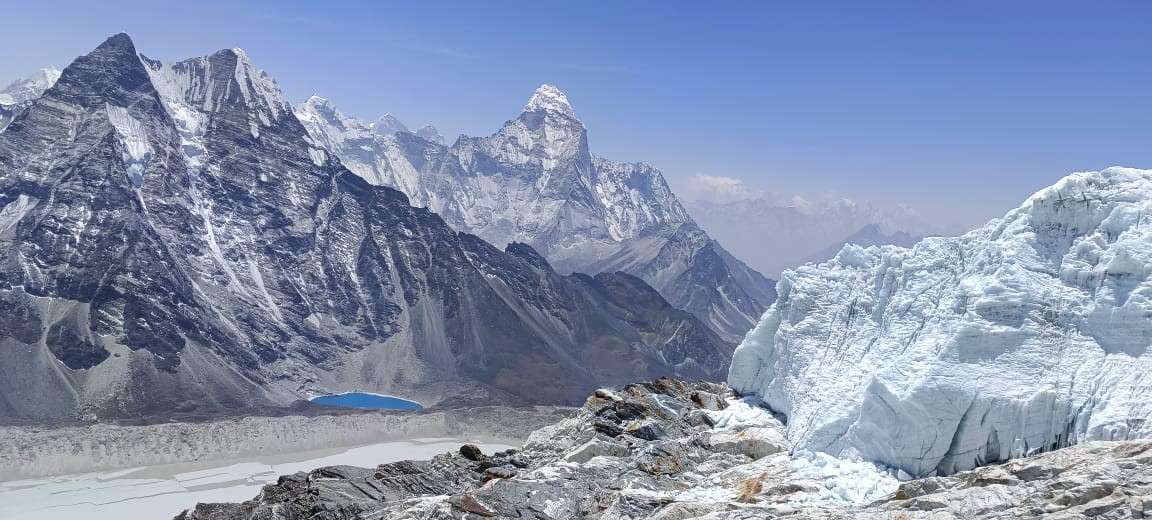
Island Peak, Photo by: Bikram KC
Island Peak (Imja Tse – 6,189 m) is located in the Everest region. It is considered a moderately challenging high-altitude climb that requires good physical fitness and basic mountaineering skills.
The best seasons for climbing are spring and autumn, when weather conditions are most stable. The climb is typically approached from Chhukung and is often combined with the Everest Base Camp trek.
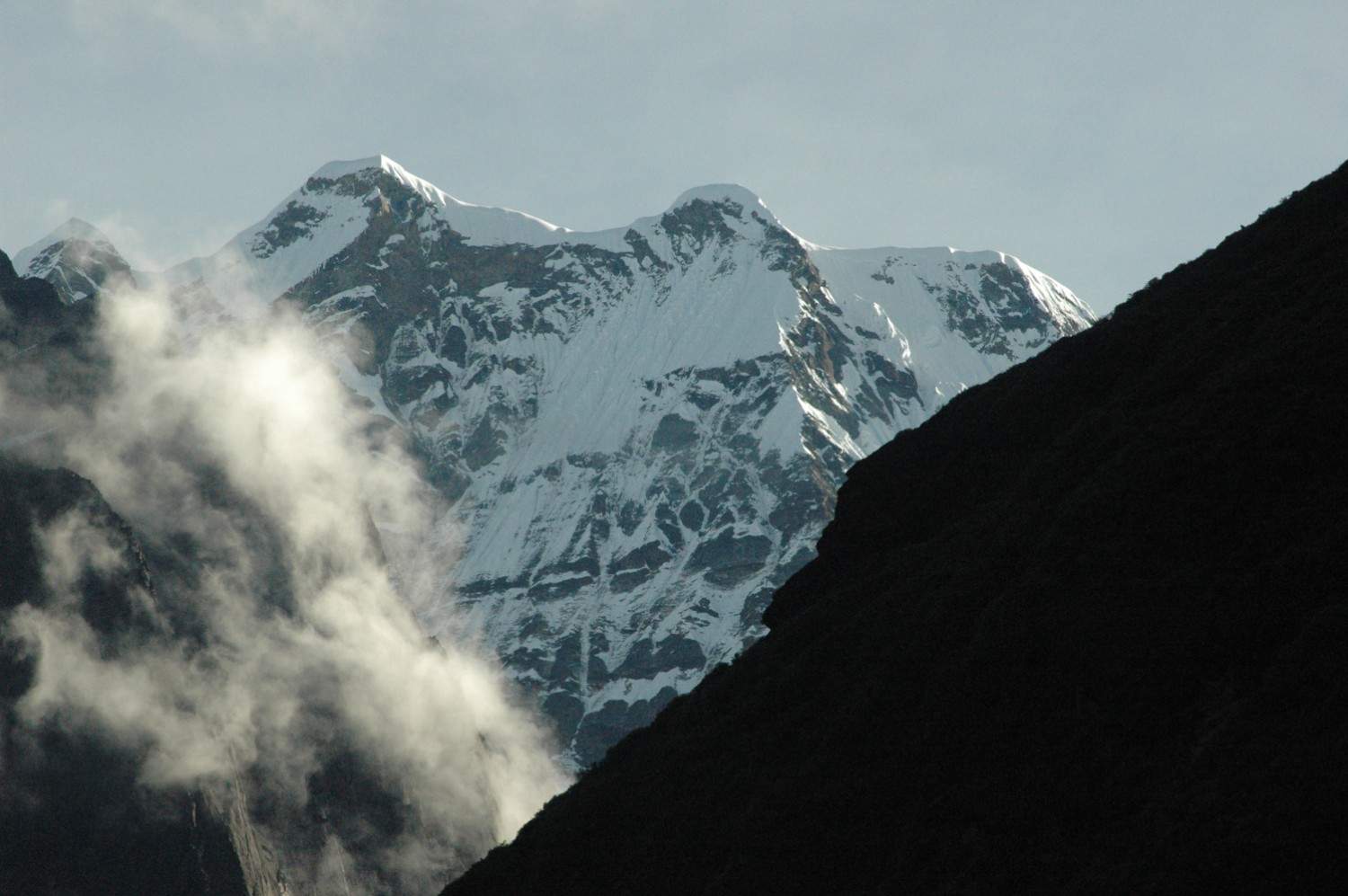
Mera Peak. Photo: RMT
Mera Peak also lies in the Everest region, and is the highest trekking peak in Nepal. From its summit, climbers are treated to panoramic views of five of the world’s highest mountains, including Everest, Lhotse, Makalu, and Cho Oyu.
Being technically moderate, the climb is a popular option for climbers seeking a difficult but achievable Himalayan climb because of its high altitude, which demands considerable endurance.
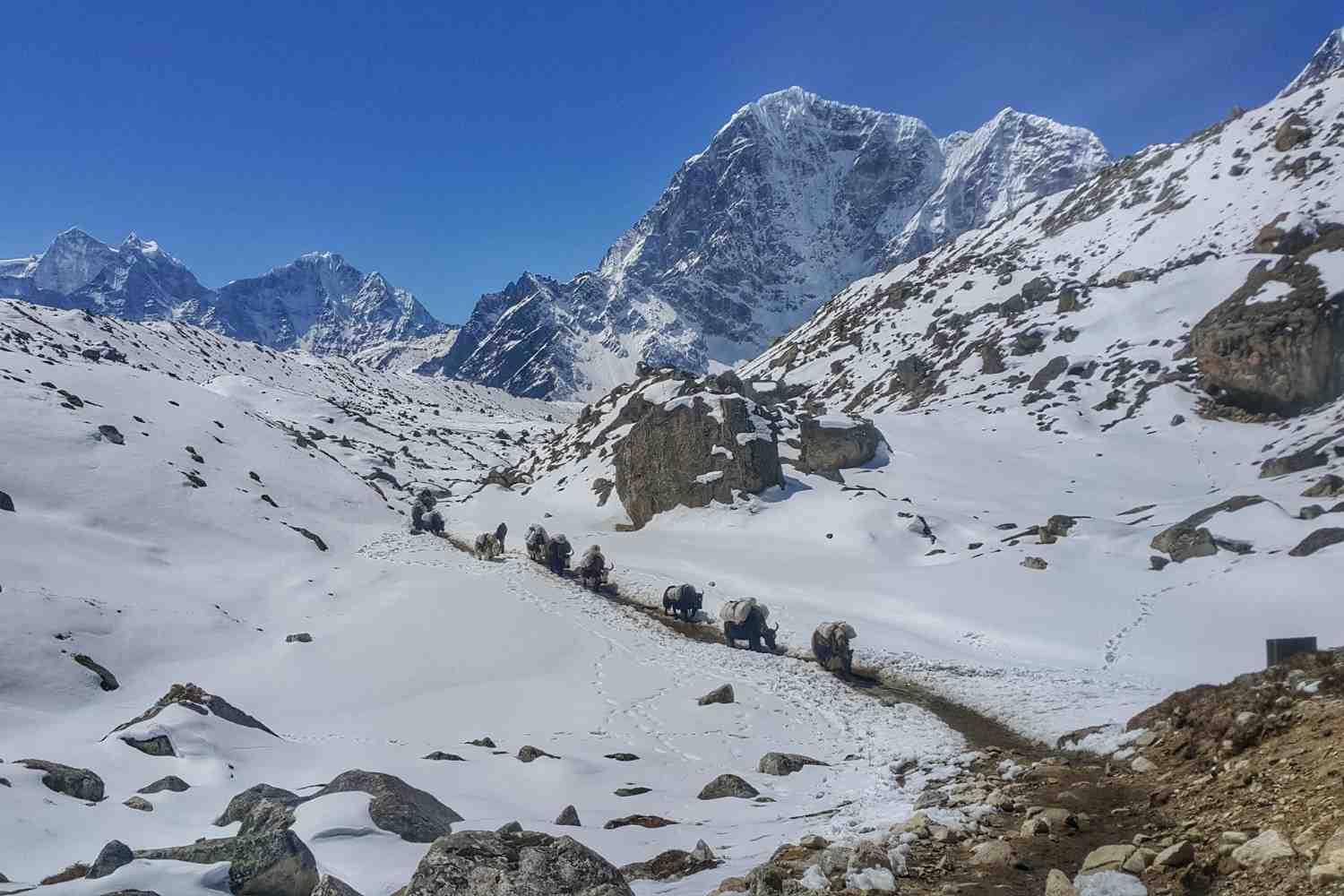
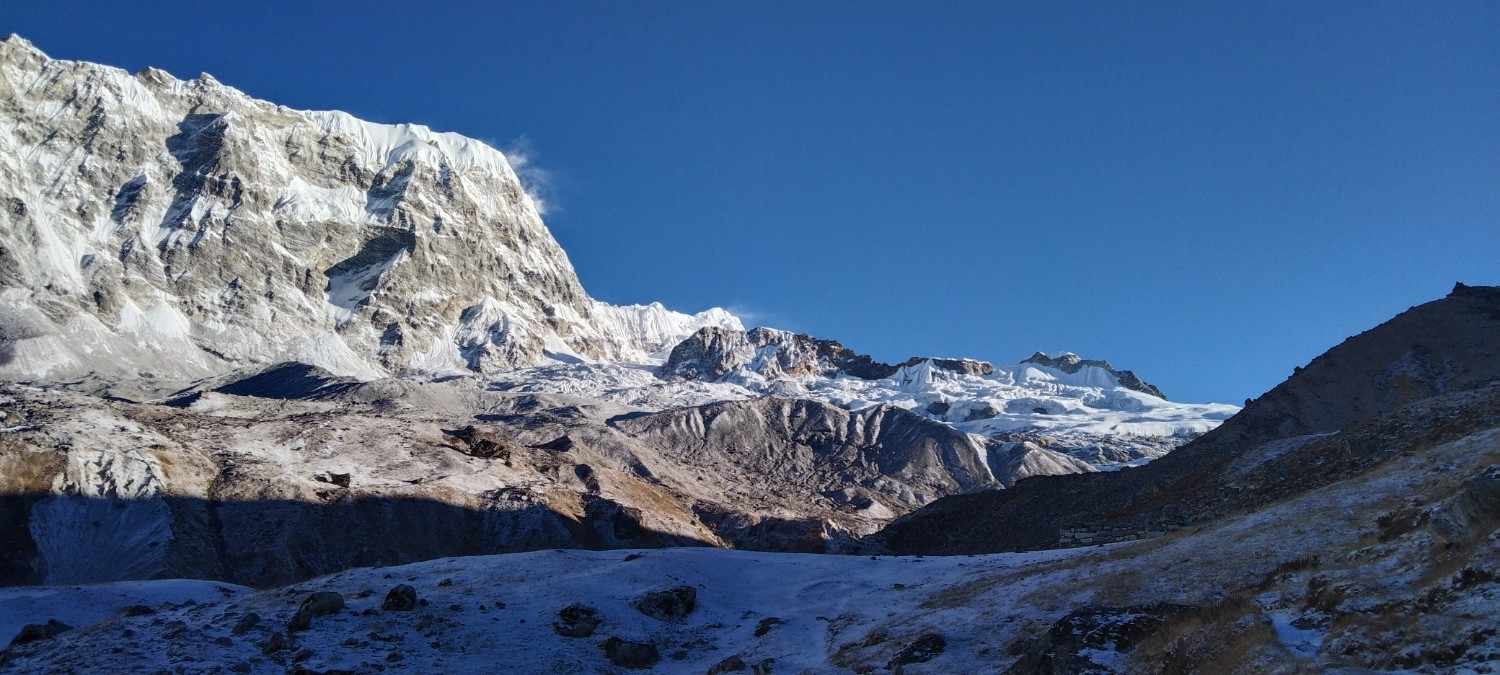
En route to Lobuche East, Photo by Bikram KC
Located in the Khumbu region near Everest Base Camp, Lobuche East offers a more technical climbing experience than Island or Mera Peaks. This climb offers breathtaking and dramatic views of Everest, Lhotse, Makalu, and Cho Oyu. This peak climbing is regarded as moderately challenging, so proper acclimatization is necessary.
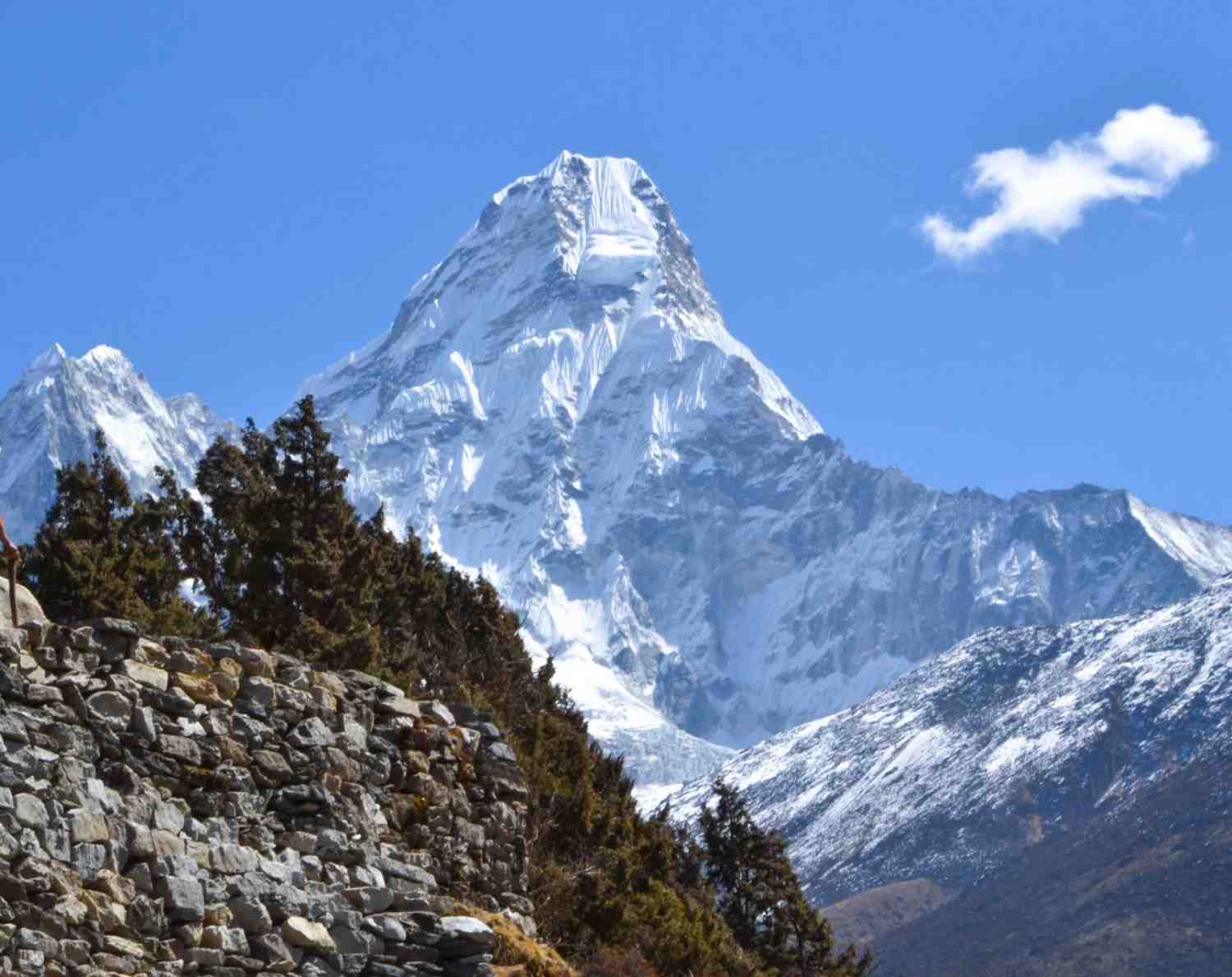
View of Ama Dablam, Photo by RMT
Ama Dablam is another famous peak in the Everest Region, with a pyramid shape. This climb is highly technical, involving steep rock and ice sections.
Surrounded by other peaks as well, Ama Dablam itself offers scenic views as it is also one of the visually striking mountains in Nepal. Ama Dablam is considered a dream climb for experienced mountaineers seeking both challenge and prestige.
Yala Peak, Photo by Bhabi Raj Gurung
Yala Peak in the Langtang region is ideal for beginners, offering a shorter and less technical climb. As one passes by, climbers can experience the rich culture of local Tamang communities and beautiful views of Langtang Lirung.
The route passes through scenic valleys and offers beautiful views of Langtang Lirung and the surrounding mountains. Along the way, climbers can experience the rich culture of local Tamang communities. Yala Peak is perfect for first-time climbers or those who want to combine trekking with an accessible Himalayan summit.

Pisang Peak , Jacob-Fulcher-(Flickr)
Pisang Peak lies in the Annapurna region and in the Manang district. It provides moderate climbing challenges with ice sections, along with exploration of Gurung villages. From the summit, one can enjoy panoramic views of Ganagpurna, Annapurna II, and Annapurna IV. Pisang Peak is an excellent introduction to technical Himalayan climbing and is less crowded, allowing climbers a more serene experience.
As per recent updates, the Government of Nepal has decided to make 97 Himalayan peaks in unexplored regions to promote tourism. While this initiative creates exciting new opportunities for climbers, responsible travel remains essential, with a strong focus on safety, environmental protection, and sustainability.
At Royal Mountain Travel, we focus on safe, ethical, and sustainable peak climbing experiences. By working with local guides and supporting responsible tourism practices, we ensure that every climb respects both the mountains and the communities that call them home.
Peak climbing in Nepal is more than an adventure; it is a journey into the heart of the Himalayas.

 TOUCH


